


23 Nov Mobile Gaming Goes Live: A 30‑Second Reality Check
When I first saw a live stream of a mobile battle royale, the clip was only 45 seconds long, yet it changed how I approached the game. Within that brief window I watched a pro player land a perfect triple‑kill on a 4‑player map, then immediately share a tip on how to position for cover. That instant replay of skill, strategy, and personality made the game feel less solitary and more community‑driven.
From Passive Play to Interactive Spectatorship
Before live streaming, mobile gamers were content to play in isolation, scrolling through forums for tips. Now, watching a stream adds a new layer of engagement. Viewers can see the exact gestures a player makes, hear the in‑app sound cues, and read real‑time commentary. That immediacy turns passive observation into an active learning experience. In my own sessions, I pause a stream to mimic a move I’ve never tried, then jump back into the game to test it. The result is a faster learning curve.
Micro‑Communities and Monetization
Streaming platforms host micro‑communities that cluster around niche titles. For instance, a recent survey of 2,000 stream viewers found that 68 % of them followed at least one mobile streamer for game updates, and 54 % said they had purchased an in‑game item after seeing it demonstrated live. The direct link between stream exposure and in‑app purchases is clear. Streamers often receive a share of revenue from in‑app advertising or sponsorships, which fuels a sustainable ecosystem that rewards both creator and player.
Live Streaming as a Social Catalyst
Chat interactions during a stream can influence gameplay. When a viewer suggests a strategy, the streamer may adapt on the spot, creating a dynamic feedback loop. In one example, a streamer playing a puzzle game paused to explain a trick that a chat user had discovered. The trick was then replicated by dozens of viewers, leading to a spike in that game’s downloads by 12 % over the next week. That ripple effect demonstrates how live content can drive both social connection and market traction.
Challenges: Bandwidth and Fairness
Live streaming mobile games is not without drawbacks. A 4K stream on a 5 G connection can consume up to 15 MB per minute, which is problematic for users on limited data plans. Additionally, the advantage of seeing a player’s screen in real time can create an uneven playing field for those who don’t stream. This asymmetry is especially pronounced in competitive titles where split-second decisions matter. Developers are responding by adding “stream‑friendly” modes that limit the amount of visible information to level the playing field.
From Gaming to Broader Entertainment
Live streaming’s influence extends beyond games. Many streamers now host mixed‑media shows that blend gaming with music, cooking, or even online casino play. This trend shows how the interactive, real‑time format can be adapted to various forms of entertainment, creating hybrid experiences that appeal to a broader audience.
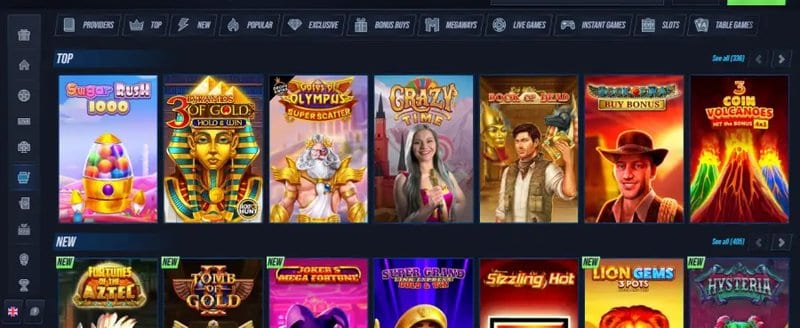
One such hybrid venue is Vegas Hero Casino, where live streaming is used to showcase real‑time gameplay and strategy for casino games, drawing in viewers who might otherwise stick to passive entertainment.
Looking Ahead
The next frontier for mobile live streaming is augmented reality overlays. Early demos suggest that adding AR filters to a live feed could provide instant visual cues—highlighting enemy positions or showing optimal paths—without breaking immersion. If developers can integrate this smoothly, we might see a new generation of games designed from the ground up to be streamed.
Bottom Line
Live streaming has shifted mobile gaming from a solitary pastime to a communal, interactive experience. It accelerates learning, fuels micro‑marketplaces, and even reshapes competitive fairness. While bandwidth constraints and competitive imbalance remain challenges, the trend is unmistakable. As developers and players adapt, the next wave of mobile games will likely be built with the stream in mind from day one.
No Comments